
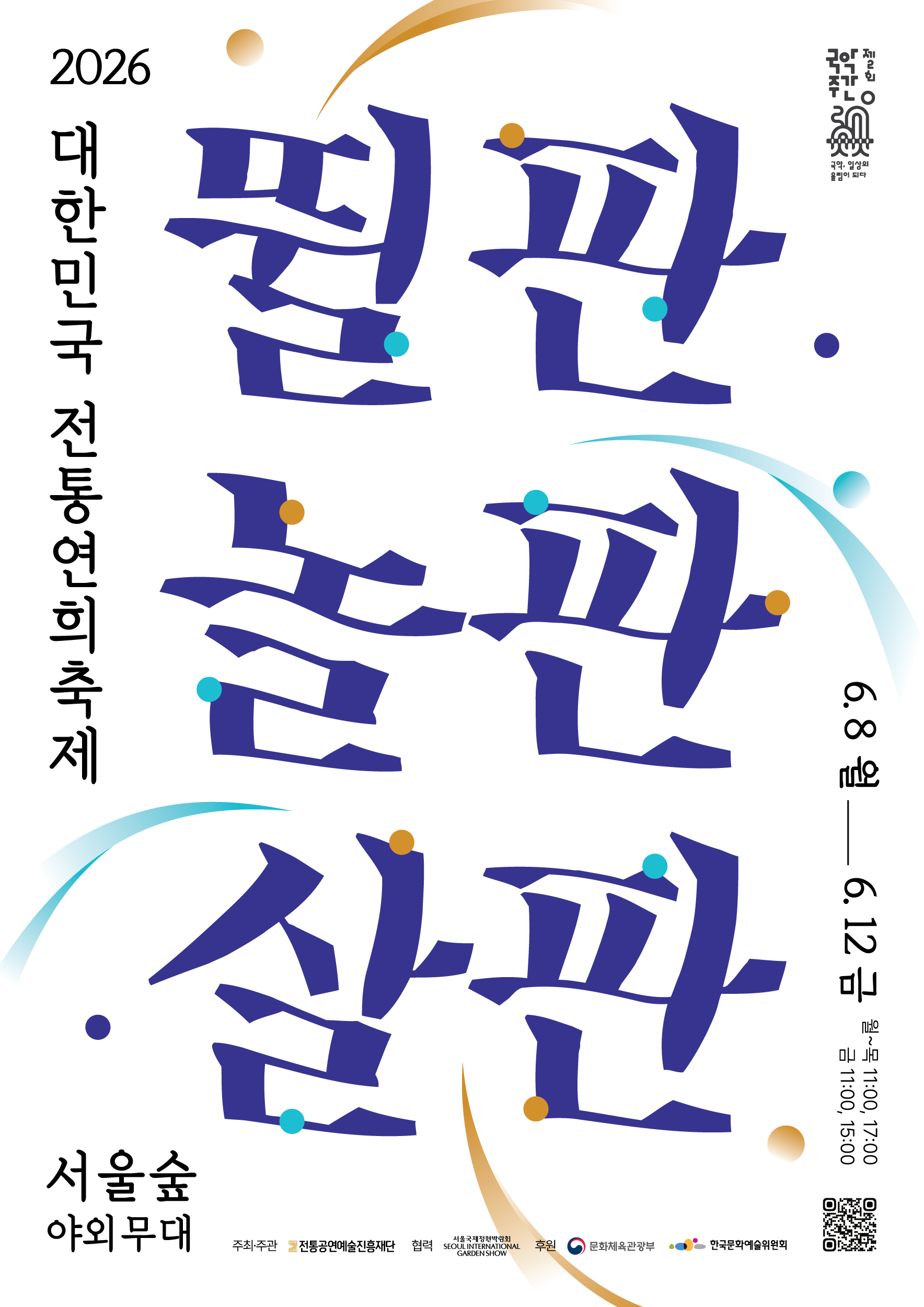
The 2026 Korea 전통연희축제 – 'Ttwilpan, Nolpan, Salpan' – will enliven the Seoul Forest outdoor 무대 for five days, from Monday, June 8 to Friday, June 12. Carrying on a legacy since 2007, the festival celebrates 'Yeonhui,' a Korean term for traditional performing arts that literally means 'performance play.' Performers spanning all 세대, from youth to seasoned veterans, will gather to create a vibrant urban celebration.
Traditional Yeonhui: Bridging Generations with Diverse Charms
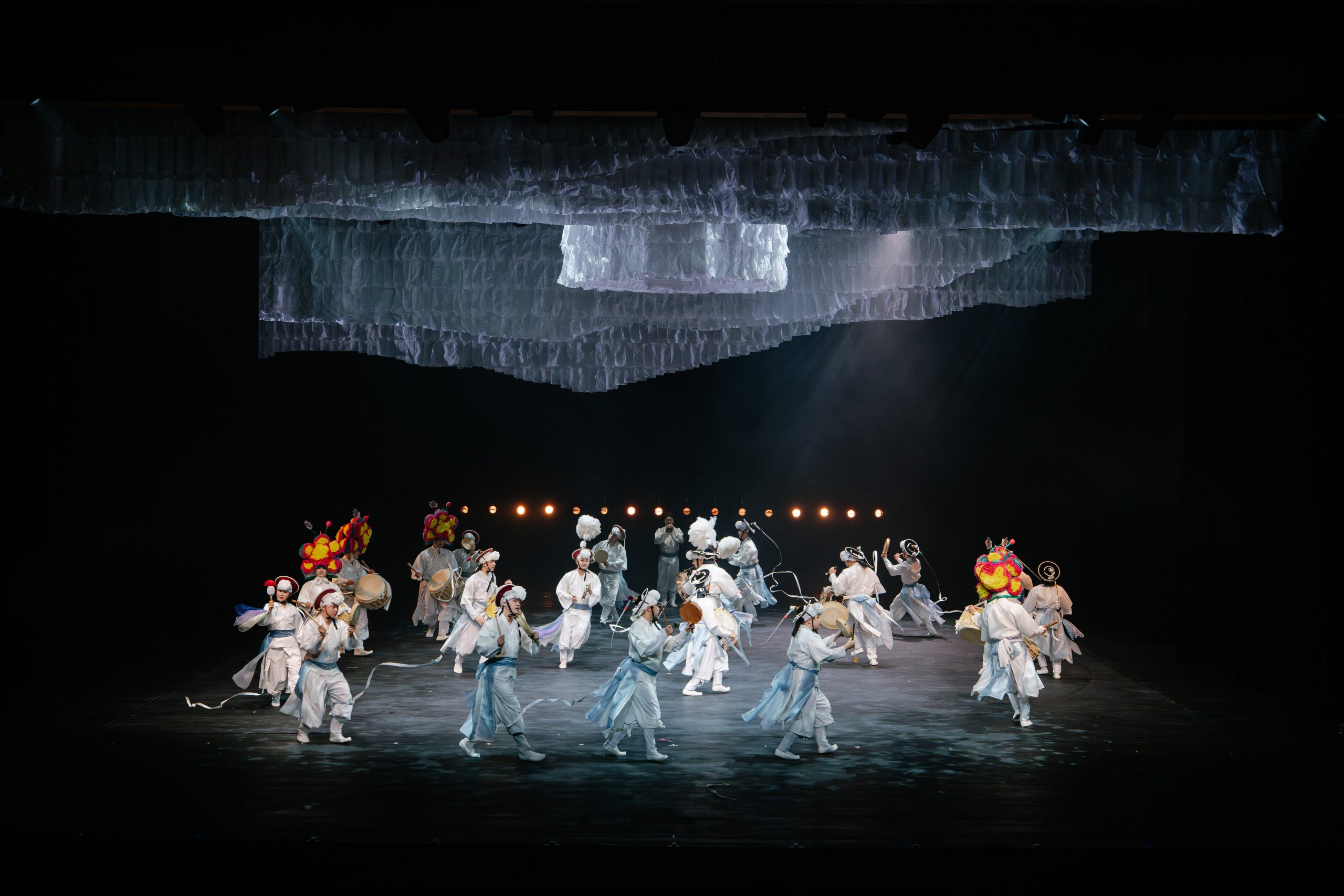
The '2026 Korea Traditional Performing Arts Festival' is set to transform Seoul Forest, often called the city's green lung, into a vibrant hub of traditional 문화. The festival aims to demystify 'Yeonhui' (演戲), a traditional Korean performing art, by presenting it as 'performance play.' This encompasses a rich tapestry of performing arts—such as *pungmul* (percussion music and dance), *nongak* (farmers' music and dance), *talchum* (mask dance), *jultagi* (tightrope walking), *saja-chum* (lion dance), *pansori* (narrative singing), and *jaedam* (comic storytelling)—all of which were cherished by ancestors during village 축제 and holidays.
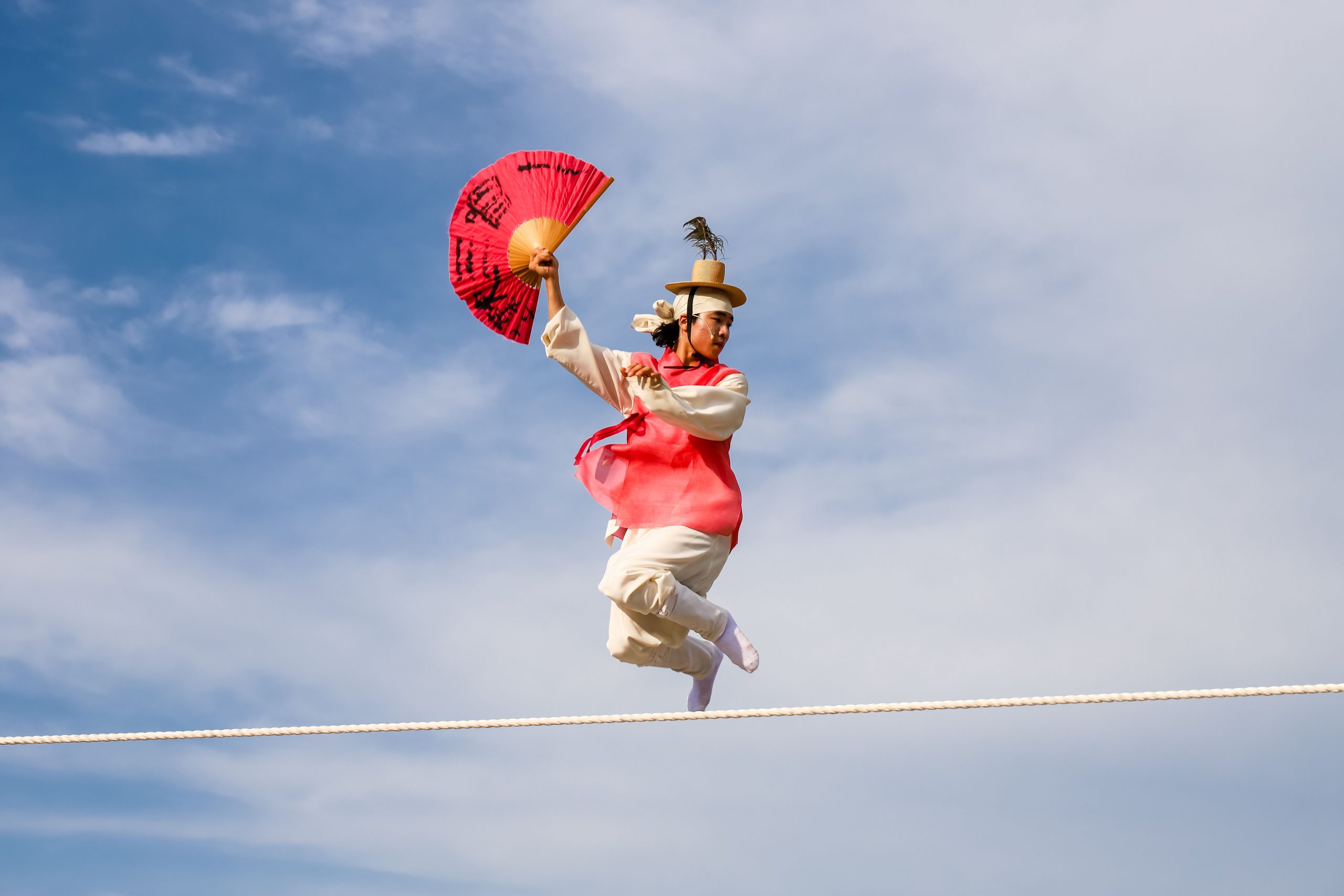
This year, the Yeonhui 축제 places a strong emphasis on intergenerational connection, bringing together artists of all ages—from teenagers and young adults to seasoned 원로 performers—to display their 기량. This not only fosters the preservation and evolution of traditional Yeonhui but also offers 관객 diverse interpretations of the art form through the lens of each generation. As a leading Korean traditional performing arts festival, consistently held since 2007, it promises a unique 경험 that blends profound tradition with contemporary flair.
A Dynamic Stage Experience, Renewed Daily
Each day throughout the 축제, both traditional Yeonhui from various 지역 across the country and contemporary creative Yeonhui performances will be presented in the 오전 and afternoon. The festival 개막 on June 8 with an opening 공연 by the 'National Youth Yeonhui Troupe.' Following this, the 'Miryang Baekjung Nori Preservation Society' and the 'Dongnae Hakchum Preservation Society' will offer essential regional traditional Yeonhui. The evening will feature a distinctive performance by the 'Churi Band,' which incorporates modern band sounds.
On June 9, the second day, the 'Yongin Traditional Yeonhui Academy 청소년 Yeonhui Troupe' and the 'Cheonan Bangchukgol Nongak Preservation Society 청소년 Yeonhui Troupe,' both 미래 torchbearers of Yeonhui, will present unique 공연 from the Gyeonggi and Chungcheong 지역. The 'Cheongbae Yeonhui Troupe' will then offer a diverse range of acts that bridge tradition and modernity. June 10 will highlight the pinnacle of national *nongak* with a 공연 by the 'Korea Nongak Association,' followed by an adapted *pansori* by young *sorikkun* (narrative singers) Nam Sang-dong and Song Ja-yeon. The day concludes with 'Yein Jipdan Ajae,' featuring Nam Chang-dong, a 명인 of *jultagi* (tightrope walking).
As the 축제 approaches its 대미, June 11 will feature vibrant 공연 by the 'Bongsan Talchum Preservation Society,' dedicated to preserving the authentic form of *Bongsan Talchum* (mask dance), and 'Yeonhui Jipdan The Gwangdae,' who will entertain audiences with witty *jaedam* (comic storytelling). On the final day, June 12, the 'Honam Women's Nongak Preservation Society' will present the rich 진수 of *Honam Nongak*. The creative Yeonhui team 'SunB' will then bring the festival to a spectacular close with a fusion of street music and traditional Yeonhui.
Diverse Activities and Inclusive Access
Beyond the main 공연, the 축제 grounds will host a variety of engaging side events for visitors. Throughout the event, the Yeonhui Festival's lion mascots—named 'Bongsan,' 'Bukcheong,' and 'Gangnyeong' after famous mask dances—will welcome guests and heighten the festive atmosphere. Historically, the lion symbolizes warding off 악귀 and wishing for abundance and well-being, and its presence at the festival will serve to recall these traditional meanings.
From 월 to Thursday, families can participate in 'I Want to Try 전통!' 주제 programs, including *pogurak nori* (a traditional ball game), Korean archery, *hanji* (Korean paper) mask-making, and symbolic cow nose-ringing. On the final day, 금, special events such as eco-friendly bubble play and bamboo water gun fights will be available, offering a refreshing way to beat the summer heat and amplify the festival's 흥 with cries of 'Away with the heat!'
All 공연 are 무료, open-air events with unreserved seating. Special priority seating will be available for attendees who may experience difficulties in accessing cultural events, such as the 장애인 and the 고령층. This highlights the '2026 Korea Traditional Performing Arts Festival's' commitment to creating an inclusive cultural space where everyone can enjoy and connect.