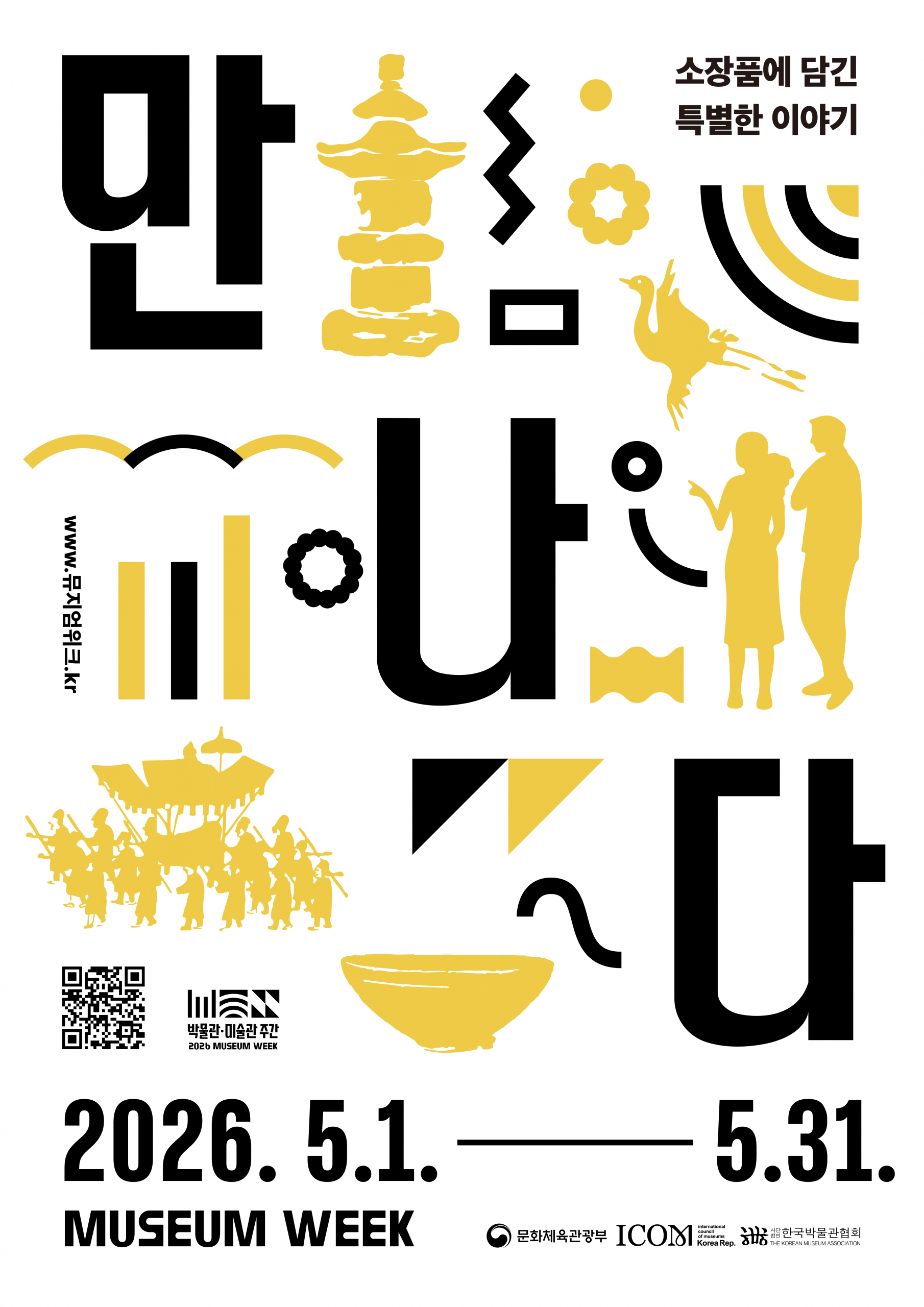
The acclaimed "Museum x Meet" program, which showcases unique stories of historic "firsts" among artifacts held by museums and art galleries across South Korea, has been extended through June. This initiative offers more visitors the opportunity to delve into the origins of Korean culture and pivotal moments, providing rich cultural experiences through the distinctive collections of each participating institution.
"Museum x Meet" Shines a Light on "Firsts and Beginnings"
The Korean Museum Association announced that "Museum x Meet," a flagship program of the "2026 Museum & Art Gallery Week" promoted in collaboration with the Ministry of Culture, Sports and Tourism and ICOM Korea (International Council of Museums, Korea Committee), will run until June. This extension allows visitors who may have missed the program in May to leisurely explore the diverse collections and their embedded narratives at museums and art galleries nationwide. The "2026 Museum & Art Gallery Week" offers a wide array of cultural experiences across the country through various programs, including "Museum x Enjoy" and "Museum x Stroll."
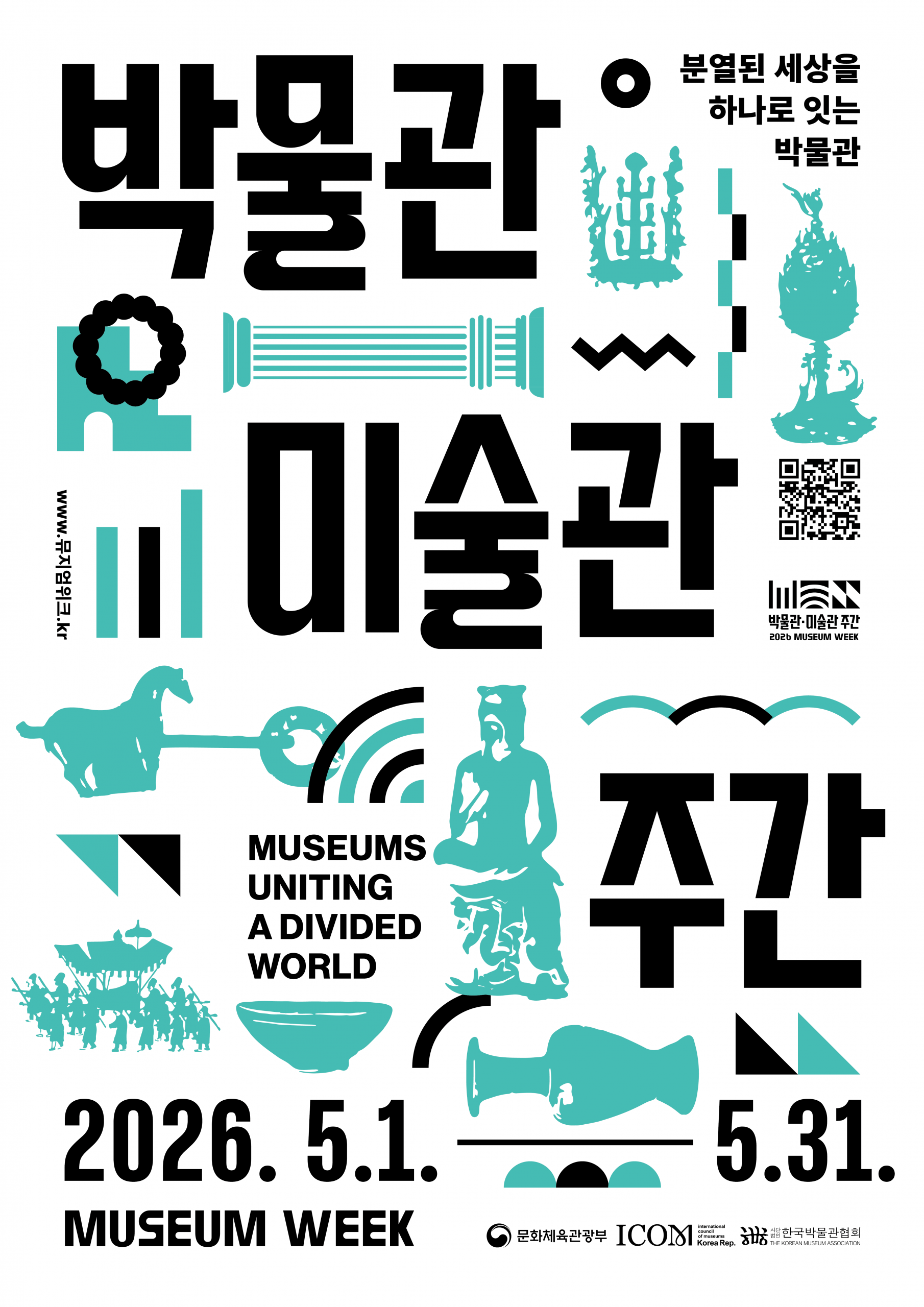
"Museum x Meet" features 50 participating museums and art galleries from across the nation, each presenting a representative artifact that signifies a "first." The program selects 50 such relics and shares their hidden stories and cultural value with visitors. This year's theme, "Firsts and Beginnings," emphasizes artifacts that serve as the foundation and starting point of contemporary Korean culture, including the first technologies used by humanity, historically recorded moments, and creative works that pioneered new cultural trends.
The 50 institutions, selected through a public competition, actively plan and operate diverse educational, experiential, and special exhibition programs centered around these unique artifacts. These programs go beyond simple viewing, allowing visitors to directly experience and understand the historical, scientific, and cultural narratives embedded in the collections. It is anticipated that these programs will provide meaningful opportunities for visitors to discover new beginnings and experience the profound depth of Korean culture.
Ham'an Museum's "Star Map Capping Stone": Ancient Aragaya's Astronomical Insights
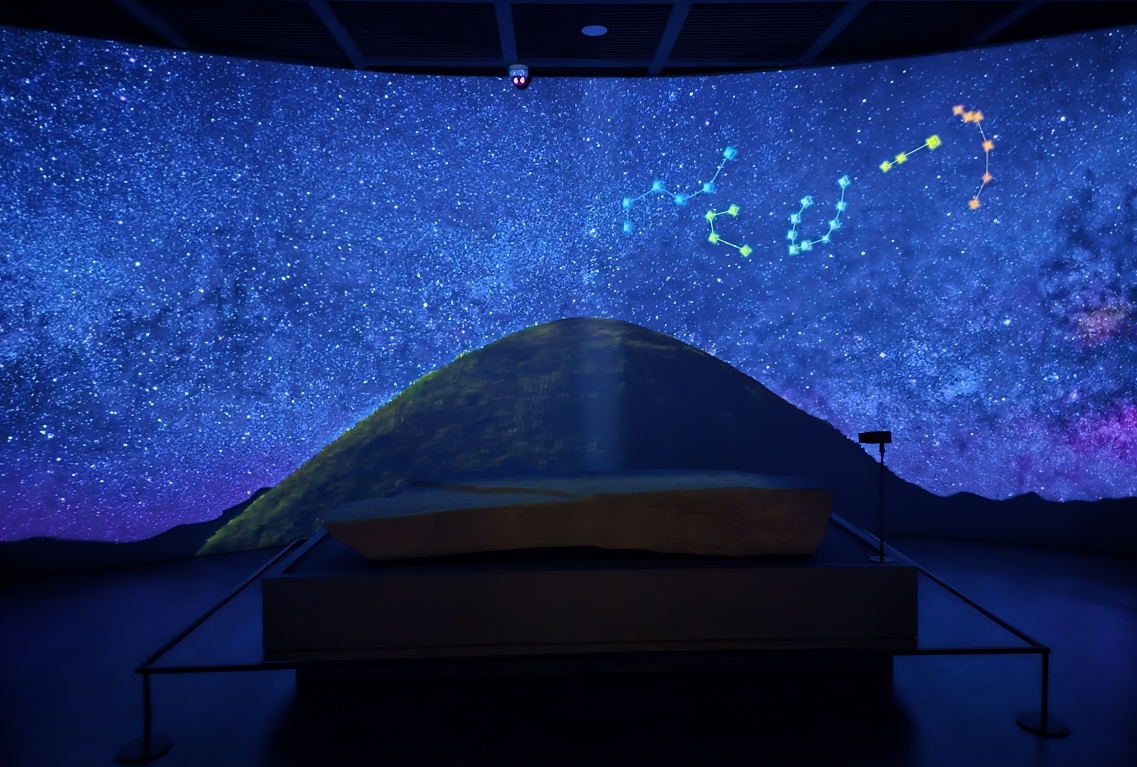
For the "Museum x Meet" program, the Ham'an Museum is featuring the "Star Map Capping Stone," excavated from Tomb No. 13 of the Malisan Tombs, a UNESCO World Heritage site. This stone slab, which covered the ceiling of a stone chamber in a tomb from the late 5th century during the peak of the ancient Gaya confederacy state, Aragaya, bears 191 star etchings. It is the only ancient star map identified in the southern Korean peninsula, serving as crucial evidence of Aragaya's advanced astronomical and scientific knowledge.
Its academic significance is particularly high as it is the first confirmed depiction of a star map from a Gaya tomb. It offers invaluable insights into the astronomical beliefs of the Aragaya people and the patterns of astronomical cultural exchange in East Asia during that period. The Ham'an Museum has created a dedicated space called the "Star Gazing Room" for this artifact, providing visitors with an immersive experience through a screen projection that visualizes the star constellations.
Kim Hye-min, a curator at the Ham'an Museum, expressed her hope that the "Star Gazing Room" would not merely display the artifact but also allow visitors to quietly contemplate the constellations on the capping stone, connecting the past and present. She emphasized that the stars observed by the Aragaya people 1,500 years ago are the same stars we see today, hoping the "Star Gazing Room" will be remembered as a space that links the skies of the past and present, and the hearts of people.
Yangju Municipal Chang Uc-chin Museum of Art's "Animal Family": An Artist's Innocence and Daily Life
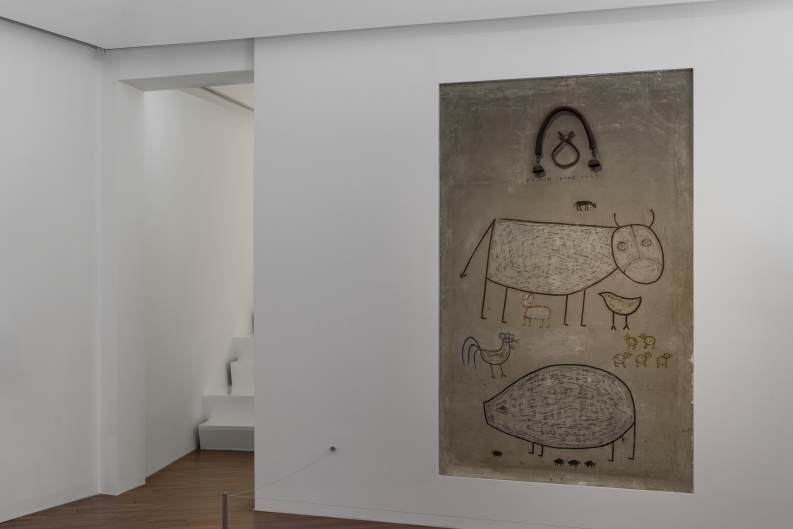
The Yangju Municipal Chang Uc-chin Museum of Art is participating in the program with "Animal Family," a mural personally painted by artist Chang Uc-chin on the wall of his Deokso studio. This mural, depicting a cow, chickens, pigs, and a dog gathered like a family, beautifully captures artist Chang Uc-chin's unique pure and simple sensibility. The fact that it was carefully removed from the wall of the Deokso studio, which was slated for demolition, adds even more special meaning to the artwork.
The simple and serene depiction of the animals conveys warm relationships where they lean on each other. The solitary figure of the dog, however, offers a glimpse into the artist's solitude and inner world as he devoted himself to his work, separated from his family. The display of actual ox nose rings and bells alongside the artwork vividly conveys the emotional atmosphere of that era, making it a unique charm of this piece.
Kim Myeong-hun, a curator at the Yangju Municipal Chang Uc-chin Museum of Art, explained that "Animal Family" faithfully embodies artist Chang Uc-chin's approach to life, where art and daily life converged. He added that the work, moved from the wall of his Deokso studio, contains traces of the artist's life and work, and the humble animal figures convey warm sentiments amidst everyday life.